
Price range: 250 € through 1.150 €
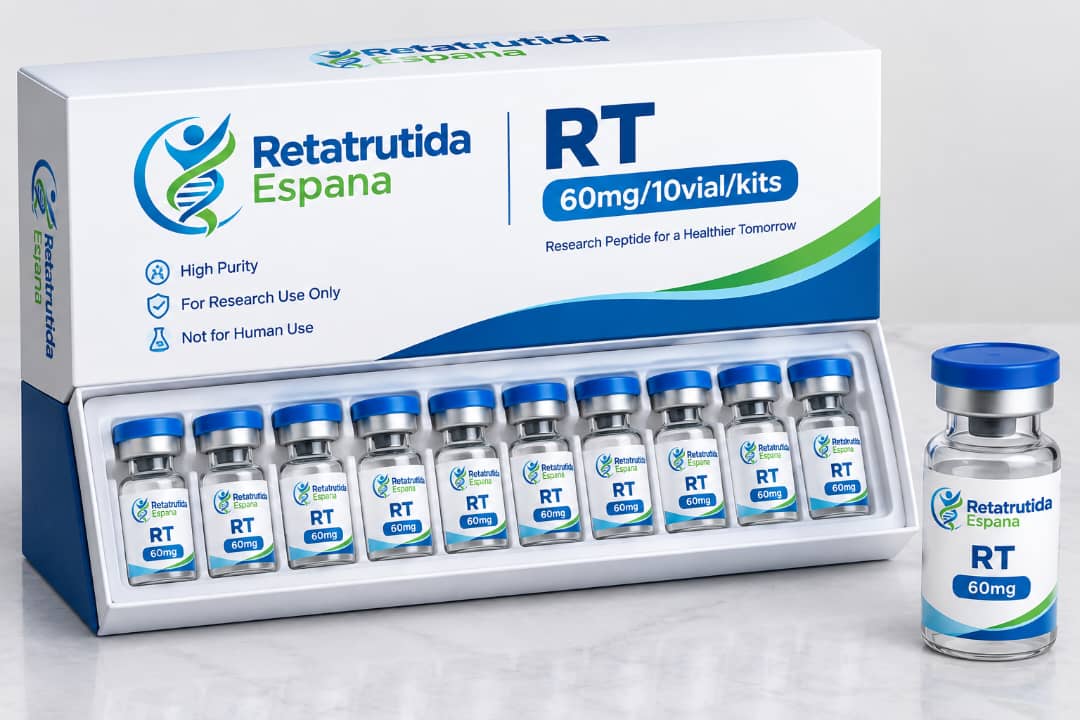
Retatrutide (RT) 60mg/vial, 10 vials/kit — LY3437943 research peptide with 600 mg total nominal kit content. Investigational GIP/GLP-1/glucagon triple agonist intended for laboratory and scientific research use only. Retatrutide (RT) 60mg/Vial, 10 Vials/Kit | LY3437943 Research Peptide
RT 60 mg/vial, 10 vials/kit — Retatrutide
RT 60 mg/vial, 10 vials/kit is a research-product presentation of retatrutide, an investigational peptide also identified by the development code LY3437943 / LY-3437943. Retatrutide is being developed by Eli Lilly and Company as a single molecule that activates three hormone receptors: GIP (glucose-dependent insulinotropic polypeptide), GLP-1 (glucagon-like peptide-1), and glucagon. Lilly describes this mechanism as a triple agonist.
This particular product configuration contains 60 mg of retatrutide per vial, with 10 vials supplied per kit, giving a nominal total of 600 mg per complete kit.
The 60 mg/vial specification describes the amount of research material contained in each vial. It should not be interpreted as a recommended human dose, treatment strength, or prescribed administration schedule.
Retatrutide remains an investigational compound and is not currently FDA-approved for public use. Lilly continues to evaluate it in Phase 3 clinical programs involving obesity, type 2 diabetes, obstructive sleep apnea, knee osteoarthritis pain, cardiovascular and renal outcomes, metabolic dysfunction-associated steatotic liver disease (MASLD), and other related areas.
📋 Product Information
| Specification | Details |
|---|---|
| Product Name | Retatrutide |
| Product Code | RT |
| Development Code | LY3437943 / LY-3437943 |
| Strength | 60 mg/vial |
| Packaging | 10 vials/kit |
| Total Kit Content | 600 mg |
| CAS No. | 2381089-83-2 |
| Alternative Name | LY3437943, LY-3437943 |
| Scientific Classification | GIP/GLP-1/Glucagon receptor triple agonist |
| Product Type | Investigational research peptide |
| Research Status | Investigational |
| Intended Context | Laboratory and scientific research |
| Developer | Eli Lilly and Company |
PubChem identifies retatrutide under CAS 2381089-83-2 and lists both LY3437943 and LY-3437943 as synonyms.
🔬 What Is Retatrutide?
Retatrutide is a synthetic peptide-based investigational molecule designed to interact with three important metabolic hormone receptors simultaneously.
Unlike single-receptor agonists, retatrutide has been designed around a three-receptor mechanism involving:
1. GIP Receptor
GIP is an incretin hormone involved in glucose and metabolic regulation. Researchers are investigating how GIP receptor activity contributes to the overall metabolic effects of retatrutide.
2. GLP-1 Receptor
GLP-1 is another important metabolic hormone involved in glucose regulation and appetite-related signaling. GLP-1 receptor activity is an established area of pharmaceutical research.
3. Glucagon Receptor
Glucagon has important effects on energy metabolism. Retatrutide’s inclusion of glucagon receptor activity distinguishes it from compounds that primarily target GLP-1 alone or GLP-1/GIP combinations.
The simultaneous targeting of these three receptors is why retatrutide is commonly described as a GIP/GLP-1/glucagon triple agonist. Lilly specifically notes that calling it “GLP-3” is scientifically inaccurate; triple agonist is the more appropriate description.
🧪 RT 60 mg/vial — 10 Vials/Kit
This configuration is designed as a larger-format research supply:
60 mg × 10 vials = 600 mg total nominal peptide content
| Package Component | Quantity |
|---|---|
| Retatrutide per vial | 60 mg |
| Number of vials | 10 |
| Total nominal peptide content | 600 mg |
| Product format | Multi-vial research kit |
The larger total quantity can be useful for research organizations that require multiple independently packaged units for laboratory studies, analytical work, formulation research, or controlled experimental workflows.
The package quantity itself does not establish a clinical treatment regimen.
🔎 Research Applications
Retatrutide is being studied across several areas of metabolic and cardiometabolic research.
⚖️ Obesity and Body-Weight Research
One of the major research areas for retatrutide is obesity and overweight-related metabolic research. Phase 3 programs have evaluated its effects on body weight and related metabolic outcomes.
🩸 Type 2 Diabetes Research
Retatrutide is also being investigated in people with type 2 diabetes, including studies examining changes in glycemic markers and body weight. Lilly’s current pipeline identifies type 2 diabetes as an active development area.
🦴 Knee Osteoarthritis Research
Research programs are examining retatrutide in people with obesity or overweight who also have knee osteoarthritis. This allows researchers to investigate relationships between metabolic changes, body weight and osteoarthritis-related outcomes.
😴 Obstructive Sleep Apnea Research
Retatrutide has also been investigated in obesity-associated obstructive sleep apnea. Lilly reports Phase 3 research examining its effects in this population.
🧬 MASLD Research
Another area of investigation is metabolic dysfunction-associated steatotic liver disease (MASLD). Retatrutide is included in Lilly’s development pipeline for this indication.
❤️ Cardiometabolic Research
Clinical research is also evaluating retatrutide in populations with cardiovascular disease and other cardiometabolic risk factors. Lilly’s Phase 3 TRIUMPH program includes studies in adults with obesity and established cardiovascular disease.
⭐ Research Advantages of Retatrutide
Researchers are particularly interested in retatrutide because of its unusual multi-receptor mechanism.
🔬 1. Triple-Receptor Research Model
Retatrutide provides researchers with a model for studying simultaneous GIP, GLP-1 and glucagon receptor activation.
🧪 2. Broad Metabolic Research Potential
Because the three receptor pathways are associated with different aspects of metabolic regulation, retatrutide provides a useful research model for investigating interactions among these pathways.
📊 3. Extensive Clinical Development
Retatrutide has progressed through multiple clinical development programs, providing researchers with a substantial and growing body of published and clinical-trial data to investigate. Lilly currently lists multiple Phase 3 programs involving retatrutide.
🧬 4. Distinct Mechanistic Profile
Its simultaneous activity at three receptors makes retatrutide scientifically different from compounds designed around only one or two of these pathways.
📦 5. Convenient Research Packaging
The 60 mg/vial × 10-vial configuration provides a clearly defined total research quantity of 600 mg, making inventory management and laboratory allocation straightforward.
📈 Current Clinical Development
Retatrutide has progressed substantially through clinical development. Lilly’s 2026 updates report positive Phase 3 results across multiple studies, while additional studies remain ongoing.
Importantly, these clinical results should be interpreted as clinical-trial findings, not as evidence that a commercially sold research product is an approved treatment.
As of the latest Lilly information available, retatrutide has not been approved by the FDA and remains an investigational medication. Lilly has stated that it plans to submit a Biologics License Application to the FDA in Q1 2027.
🧾 Detailed Product Specification
| Category | Specification |
|---|---|
| Molecule | Retatrutide |
| Abbreviation | RT |
| Development Identifier | LY3437943 |
| Alternative Identifier | LY-3437943 |
| CAS Registry Number | 2381089-83-2 |
| Amount per Vial | 60 mg |
| Vials per Kit | 10 |
| Total Kit Amount | 600 mg |
| Molecule Class | Peptide |
| Mechanism Classification | GIP/GLP-1/glucagon triple agonist |
| Development Status | Investigational |
| Primary Research Areas | Metabolic and cardiometabolic research |
| Research Context | Laboratory/scientific research |
🛒 Product Highlights
RT 60 mg/vial, 10 vials/kit offers:
🧬 Retatrutide / LY3437943
🔬 Triple-receptor research model
📦 10 individually packaged vials
⚖️ 60 mg nominal content per vial
🧪 600 mg nominal content per kit
📚 Extensive clinical-development research background
🔎 Useful for metabolic and cardiometabolic research
❓ Frequently Asked Questions
What is RT 60 mg?
RT 60 mg refers to a retatrutide research product containing a nominal 60 mg of retatrutide per vial.
How many vials are included?
This configuration contains 10 vials per kit.
How much retatrutide is in one complete kit?
There are 60 mg per vial and 10 vials per kit:
60 mg × 10 = 600 mg
Therefore, the complete kit contains 600 mg nominal total content.
What is the development code for retatrutide?
The development code is LY3437943, also written LY-3437943.
What is the CAS number?
The commonly listed CAS Registry Number is 2381089-83-2.
Is retatrutide FDA approved?
No. Lilly states that retatrutide is currently investigational and is not FDA-approved.
Is “GLP-3” the official name for retatrutide?
No. Lilly explains that “GLP-3” is an informal and scientifically inaccurate label. Retatrutide is more accurately described as a GIP/GLP-1/glucagon triple agonist.
What is the intended use of this product?
The product should be positioned for research and laboratory use, not as an approved medicine or consumer treatment.
🔐 Research-Use Disclaimer
For research use only. Not for human consumption. Not for diagnostic, therapeutic, or veterinary use. Retatrutide is an investigational compound and has not been approved by the FDA as of the date of this product description. This product specification describes research material and does not constitute medical advice, a prescription, or a recommended dosing regimen. Researchers should follow applicable institutional, laboratory, regulatory, storage, handling, and safety requirements.
- Retatrutide 60mg
- RT 60mg
- Retatrutide 60mg vial
- Retatrutide 10 vials kit
- Retatrutide 600mg
- LY3437943
- LY-3437943
- Retatrutide research peptide
- Retatrutide research compound
- Retatrutide triple agonist
- GIP GLP-1 glucagon agonist
- Retatrutide laboratory research
- Retatrutide research material
- Retatrutide CAS 2381089-83-2
- RT 60mg/vial 10 vials/kit
Recommended Product Title
Retatrutide (RT) 60mg/Vial, 10 Vials/Kit | LY3437943 Research Peptide
Suggested Short Description
Retatrutide (RT) 60mg/vial, 10 vials/kit — LY3437943 research peptide with 600 mg total nominal kit content. Investigational GIP/GLP-1/glucagon triple agonist intended for laboratory and scientific research use only.
| Select Quantity | 10 Vials, 20 Vials, 30 Vials, 40 Vials, 50 Vials |
|---|
Related products
RT / LY3437943
Retatrutide (RT) 50 mg/vial — 10 Vials/Kit
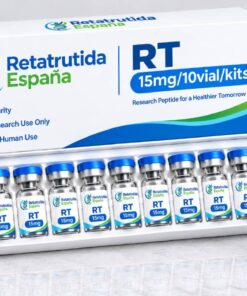
LY3437943 / LY-3437943
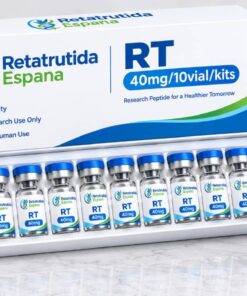
RT 40mg/vial,10vial/kits